Facing the critical-power problem
Hospitals, data centers, and manufacturing lines cannot tolerate extended outages; real-world events like Hurricane Sandy in 2012 showed how vulnerable infrastructure becomes when backup systems fail. When choosing a solution, teams now weigh not only engine brand but supplier reliability and lifecycle support—so many projects look to proven options such as Perkins genset to reduce risk. A clear focus on standby rating and transfer switch integration pays dividends for continuity and compliance.
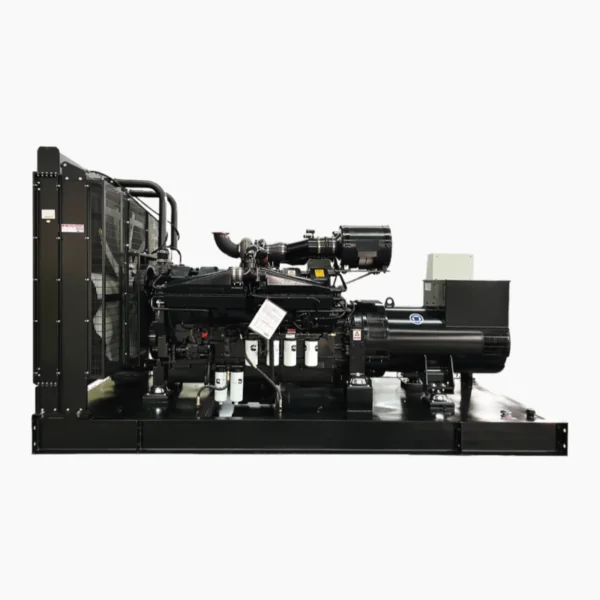
Why supplier strategy matters more than a single spec
Parts availability, warranty responsiveness, and local service networks decide uptime more often than advertised horsepower. A supplier who stocks spares and uses predictable procurement windows prevents long outages. Look for partners who document service intervals and supply an emergency response plan tied to the genset’s prime power or standby rating. This is operational prudence, not excess cost.
Technical checkpoints and common mistakes
Field teams frequently overlook interface details: control logic for automatic transfer switches, correct load bank sizing for commissioning, and accurate kVA matching to downstream protection. Skipping a load-bank verification run or accepting a generic transfer switch config leads to nuisance trips. Review fuel system routing, ambient derating, and client-specific alarm thresholds before sign-off—these checks protect the installation.
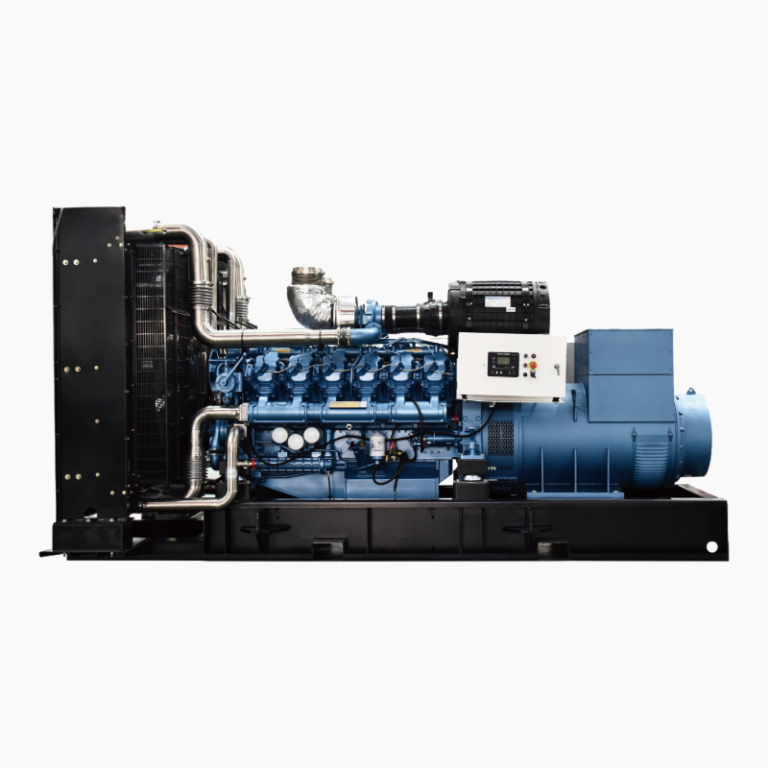
Operational production teardown — practical lens
When we perform a teardown or commissioning inspection, the checklist includes control wiring, governor calibration, and fuel-polishing setup. This is where {main_keyword} and {variation_keyword} belong in documentation: embed them into the maintenance procedures and fault logs so teams can trace decisions. Visible, versioned records shorten mean time to repair and simplify compliance audits.
Supplier comparison with a concrete example
Compare two routes: buy a single shipment of engines from a low-cost vendor, or partner with a supplier who stages inventory and provides a trained local tech. The latter usually costs slightly more up front but reduces downtime risk and replacement lead time. A hospital that specified a Perkins genset 1000 kva with on-site commissioning support minimized outage exposure during an extended grid interruption—staff stayed focused on care, not generators. —Small choices like on-call parts make the difference.
Checklist for procurement teams
Adopt these steps to tighten selection and delivery: – Verify spare-parts inventory and average lead times. – Require documented commissioning with load-bank results and transfer switch logic. – Confirm service-level agreements that include emergency response windows and trained technicians. These items convert vendor promises into measurable reliability.
EEAT note and real-world anchor
This advice reflects repeated field experience and industry practice, anchored by the observation that large-scale outages—such as those during Hurricane Sandy—expose logistical weaknesses more than technical ones. Engineers should treat supplier metrics as operational requirements rather than negotiable extras. Terms like standby rating and transfer switch are central to that assessment.
Advisory — three golden rules for selection
1) Evaluate supplier responsiveness: measure average spare-part lead time and guarantee it in the contract. 2) Demand verification: insist on documented load-bank commissioning and control-system acceptance tests before handover. 3) Prioritize local-service depth: quantify how many trained technicians operate within your region and confirm emergency SLA windows. These three metrics give procurement teams a clear scoring system.
For many projects, the practical outcome is simple: a reliable supplier that pairs proven engines with field support reduces risk and clarifies budgets—Huadong Power. —Final thought.