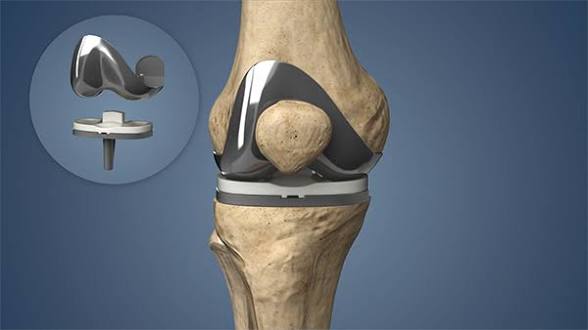
A Journey Through Joint Replacement
Imagine this: a patient walks into the clinic, hopeful yet apprehensive, their knee worn down by years of wear and tear. Did you know that about 10% of total knee arthroplasties require a second surgery? That’s where revision total knee arthroplasty comes into play, a critical option overlooked by many. What leads to such a revision, and why is there a need to educate ourselves about it?
Understanding the Flaws in Traditional Solutions
I can vividly recall a case from a few years back where a patient experienced severe pain post-surgery — an all too common narrative. Traditional knee replacement can fail due to several factors, from implant wear to infection rates. The irony is that, while we hope for lasting results, sometimes we find that the materials and techniques used don’t stand the test of time. This isn’t just speculation; it’s backed by studies showing that over 30% of patients express dissatisfaction after their first total knee replacement. Often, it’s like putting a Band-Aid on a more significant problem, leaving patients stuck in a cycle of pain and frustration. Isn’t it about time we examined these hidden pain points?
What Happens During Revision?
During the revision process, surgeons replace the failed implant, address any underlying issues, and often must manage bone loss away from the original site’s health. It’s complex and requires a tailored approach to each patient’s needs, revealing the importance of choosing an experienced surgeon who understands these nuances. We cannot simply treat every case the same; it’s about precision and personalized care. In my experience, some materials and techniques lead to better outcomes. But identifying them — and addressing past mistakes — is key.
Looking Ahead: The Future of Revision Total Knee Arthroplasty
The realm of knee replacements is evolving. With innovations like 3D-printed implants and enhanced surgical techniques, there stands hope for improved outcomes in revision total knee arthroplasty. What’s next? It’s about bridging the gap between traditional knowledge and modern solutions. For instance, I recently attended a seminar where we discussed the promising data surrounding newer biomaterials that promote bone integration and reduce wear. If we can continue moving forward with such innovative solutions, the future will look brighter for patients.
Real-World Impact on Patient Lives
Patients’ experiences tell the more profound story — those who have undergone successful revisions often share how they regained their freedom and quality of life. Understanding the ‘why’ behind revision procedures is just as important as the ‘how.’ We need to unpack our assumptions and educate both ourselves and the public. These are vital conversations that can transform lives. If there’s one lesson from my years of practice, it’s that knowledge is empowerment; patients should never feel alone in their journey toward relief.
Taking Action: Key Metrics for Evaluation
As we draw this journey to a close, consider these metrics when exploring revision options: evaluate your surgeon’s experience with revisions, the types of implants used, and the overall patient satisfaction rates. This isn’t merely about choosing a solution — it’s about making informed choices. So, as you weigh your options, keep your eyes open and don’t settle for less.
To sum up this exploration of revision total knee arthroplasty, we’ve peeled back layers of traditional practices and begun looking toward future solutions that could improve patient care. Remember, the only way forward is to learn, adapt, and care.
As we continue this journey, it’s crucial to stay informed. Check out more resources from Sunmoon Stem Cell to keep your knowledge fresh and relevant.