Understanding the Core Challenges
Imagine navigating through a warehouse crowded with inventory, only to discover inefficiencies in your pallet handling system—over 30% of that effort can be wasted! In environments reliant on smooth operations, the integration of roller pallet flow tracks is crucial. Are your current solutions really up to the task? Understanding the shortcomings of traditional systems can transform the way you manage pallet workflows.
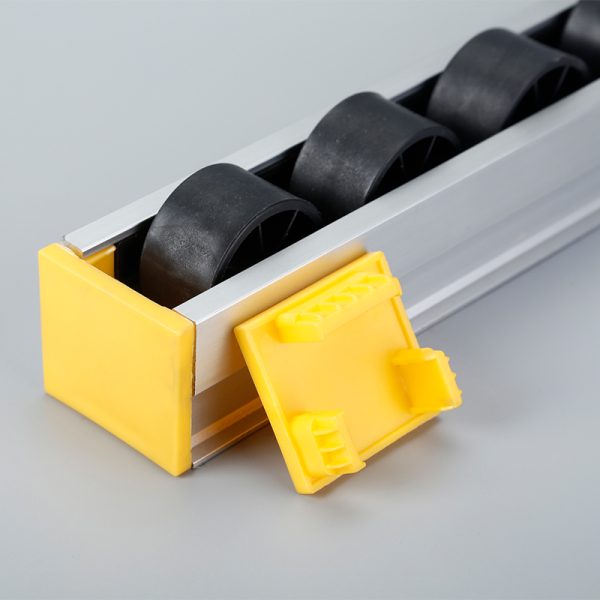
1. Evaluate Your Current Setup
I recall a time when a client invested heavily in a roller track system only to find it didn’t accommodate their specific pallet sizes adequately. This kind of oversight can lead to frustrating delays and a surge in operational costs. If your system isn’t designed to handle a diverse range of pallets, you’re headed for trouble. Knowing your standards and evaluating can pinpoint enhancements essential for moving forward.
What Risks Arise from Ignoring These Needs?
It’s easy to overlook the pressing issues when things seem manageable. However, overlooking efficiency can cause bottlenecks, wasting both time and resources. For instance, lacking the right roller pallet flow tracks for your products can lead to frequent hiccups—impacting on-time deliveries and, ultimately, customer satisfaction.
The Evolution of Roller Pallet Tracks
Fast forward to today. The advancements in roller pallet flow tracks are impressive. Newer models feature enhanced durability, better load management, and effective spacing—ideal for high-velocity environments. I’ve seen systems evolve from simple tracks to fully integrated systems that can save substantial time and energy. With the rise of automation, understanding these changes is vital.

Adapting to Modern Demands
As we embrace technology, the relevance of smart systems remains paramount. Employing automatic guides and sensors where necessary allows for unparalleled operational flexibility. This adaptation isn’t just a trend—it’s how businesses will thrive. I’ve observed clients who enhanced their processes by integrating these technologies, resulting in reduced order times and improved accuracy. The future beckons us to not just keep pace, but to lead.
Real-world Impact
The secret to mastering warehouse logistics lies in consistent evaluation and adaptation of your systems. Companies employing modern roller pallet flow tracks report a 40% reduction in manual handling errors—a substantial impact! Imagine freeing up your staff to focus on higher-value tasks, while improving throughput. It’s not merely about buying the latest products; it’s about strategic alignment with your business goals.
Key Insights and Recommendations
From what I have experienced, focusing on user needs is the cornerstone of successful system design. Prioritize flexibility, and ensure that your equipment can adapt as your inventory evolves. Critically assess offerings, keeping potential scale in mind—choose brands known for quality, like JunYi. Adopting this approach is a surefire way to address issues before they exacerbate and skew your operations.
In summary, investing in a well-structured pallet system guides your team toward efficiency. As I always say, it’s not just a matter of upgrades—it’s about creating a culture of continuous improvement. By focusing on core needs today, you’re establishing tomorrow’s success for your warehouse.