User priorities: what matters when connectors touch patient systems
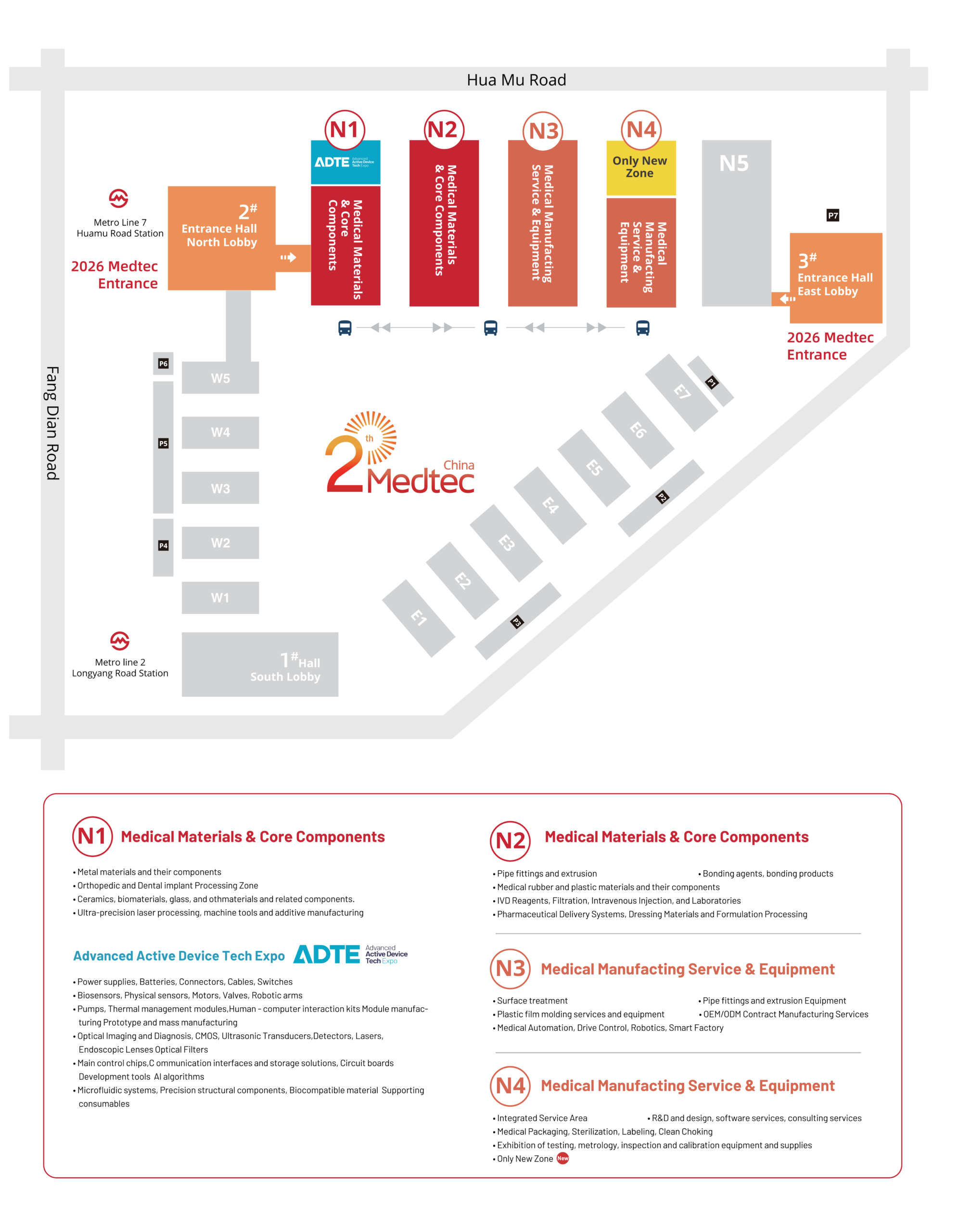
Designers and procurement officers want one thing: predictable performance at scale. For teams building devices, that means connectors that sustain repeated mating cycles, maintain insulation resistance, and meet biocompatibility expectations without surprise recalls. Evidence shown at the recent MedtecChina events in Shanghai — specifically during the international medical expo — made clear that clinicians and manufacturers vote with uptime and safety, not marketing. The argument here is direct: treating IEC 60601-1 as paperwork is a liability; treating it as an engineering baseline wins clinical trust.
Core controls that actually protect patients and schedules
IEC 60601-1 demands focused controls that translate into tangible product behaviors: controlled creepage and clearance, robust strain relief, and verified insulation under physiological conditions. High-density connectors require attention to contact retention, plating integrity, and shielding to avoid EMC-induced malfunctions. Prioritize retention and mating-cycle testing early in prototyping so the supplier’s design choices are visible long before clinical deployment.
How to implement rigorous quality gates without slowing development
Start with clear acceptance criteria and gate each phase: incoming inspection, process qualification, and final assembly sign-off. Practical checkpoints include: 100% visual inspection of critical contacts, batch-level verification of plating thickness, and a defined failure mode analysis for connector mis-mating. Track these in the manufacturing execution system so decisions are traceable — this is governance, not bureaucracy. If a supplier resists transparency, push back; procurement must not accept opaque sampling plans.
Testing, standards, and the exact sub-topics to demand
Beyond mechanical endurance, demand electrical and EMC verification aligned with IEC 60601-1 family testing. List these sub-topics to your supplier and test lab:
– IEC 60601-1-2: Electromagnetic disturbances — Requirements and tests
– Electrostatic discharge (ESD) immunity testing
– Radiated RF immunity and conducted disturbances
– Insulation resistance and dielectric strength tests
Require test reports that tie directly to serial numbers or lot codes so you can replay failures. Don’t accept anonymized aggregate data; that hides root causes.
Common mistakes teams make and how to avoid them
Teams often accept supplier sample data without verifying production controls. They conflate connector form factor with functional equivalence — two parts that look alike can have different plating alloys, different contact spring forces, and different failure modes. Another frequent error: ignoring environmental stress tests that simulate sterilization or repeated cleaning. — Include sterilization cycle compatibility and humidity-aging in your acceptance plan early on to prevent late redesigns.
Comparing sourcing strategies: single-supplier vs. multi-source
Single-supplier arrangements simplify qualification but concentrate risk. Multi-sourcing improves resilience but raises qualification costs. The pragmatic approach: qualify a primary supplier to full IEC 60601-1 controls, then maintain a secondary qualified to the same gates for contingency. Clarify contractual test ownership and failure remediations up front so the fallback is real and not theoretical.
Summary and actionable measures
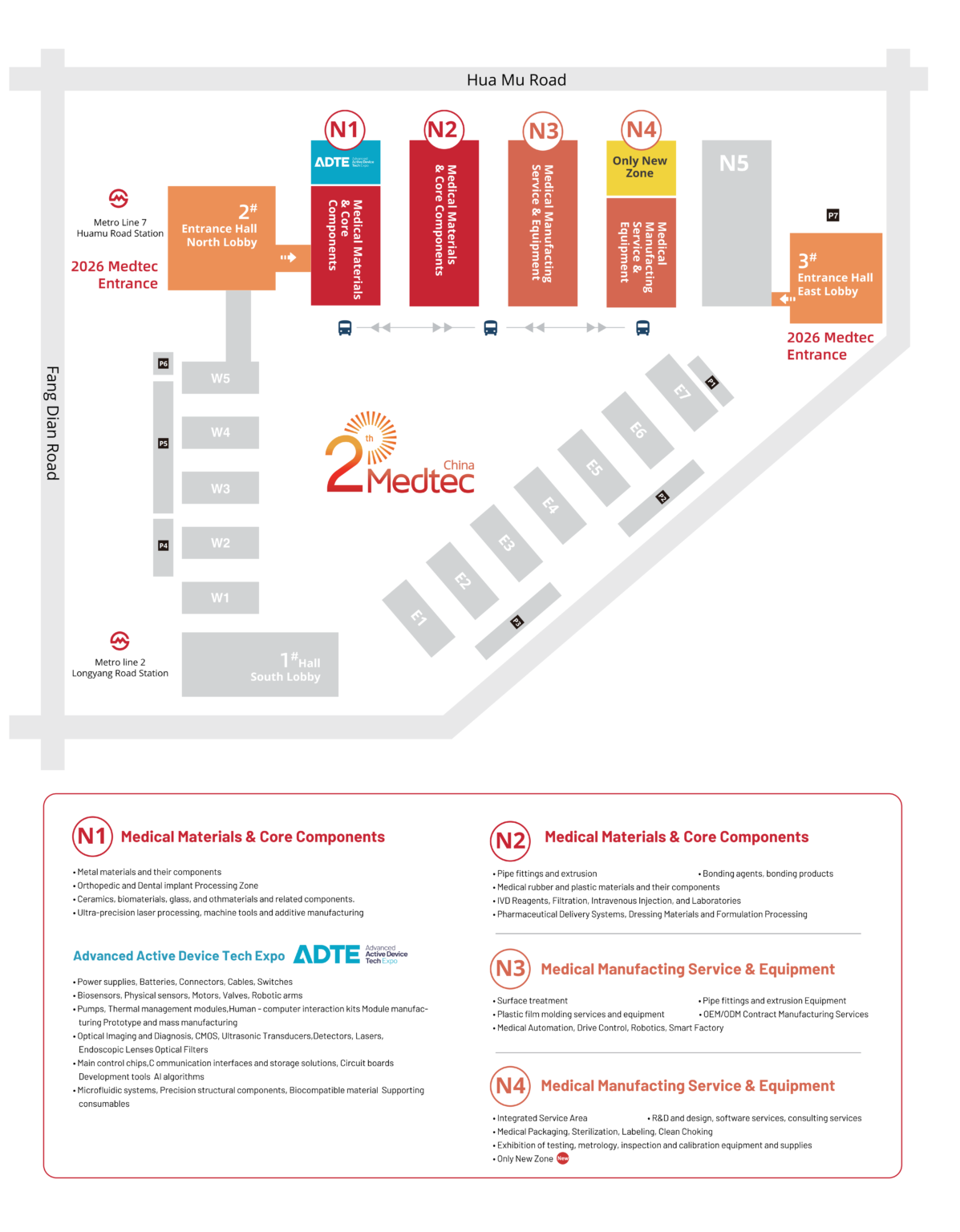
Implement these three golden rules when selecting connectors and suppliers: 1) Insist on production-level test reports tied to lot codes; 2) Require explicit verification of EMC, insulation resistance, and mating-cycle performance; 3) Qualify a backup supplier to the same gates. These metrics force objective decisions and reduce the politics of blame when issues surface. For projects that must align supplier ecosystems and clinical timelines, attending forums such as Medtec and the related exhibitions provides direct access to vendors who already document these controls — practical sourcing intelligence that saves months of rework.
Adopt these rules, and the organization moves from reactive fixes to preventive rigor — a measurable improvement in device uptime, fewer field actions, and clearer audit trails. Medtec.
–