Introduction: Why Control Still Falters When the Floor Heats Up
An autonomous fleet runs on a control core that times motion, I/O, and safety with tight loops. In practice, the amr controller makes or breaks cycle time when traffic spikes and RF gets messy. Teams often treat a mobile robot controller like a sealed box, but it is a system of schedulers, buses, and policies (yes, even with top-tier hardware). Picture a shift change in a high-volume DC: five robots hit the same aisle, Wi‑Fi overlaps, a dock door sensor flaps. Numbers follow the scene—throughput can dip 12–18% when latency jitter exceeds 30 ms, and mean recovery time creeps past 8 minutes if fault handling is not deterministic. You felt this in Part 1’s baseline view; here we dig into what you didn’t see on the surface. Why do modern stacks still pause or mis-sequence tasks under load?
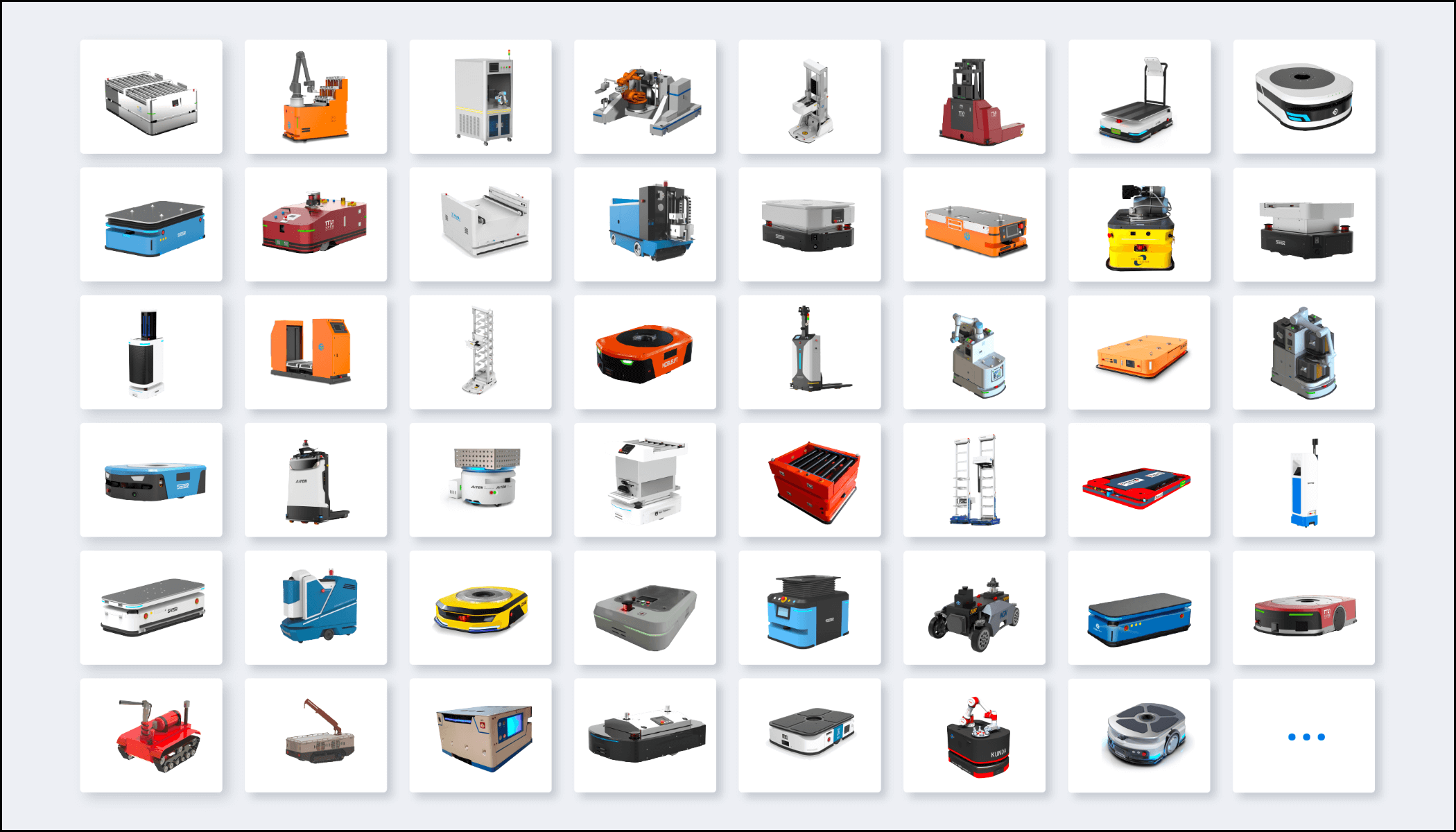
Let’s unpack the root causes, then line up what to change next.
Part 2 — Hidden Frictions in the Mobile Robot Control Loop
Here’s the hard truth: most stalls don’t begin with the drive. They start upstream, in how the mobile robot controller arbitrates timing and faults. In Part 1, we mapped the basic architecture; now we expose the gaps. Look, it’s simpler than you think. When a real-time scheduler competes with logging threads, you get micro-bursts of latency jitter. That jitter hits sensor fusion, then propagates to the SLAM stack, and final motion commands arrive late. On paper, CAN bus traffic is within spec; in practice, a noisy peripheral or a chatty ROS 2 node can tip queues at the worst moment—funny how that works, right?
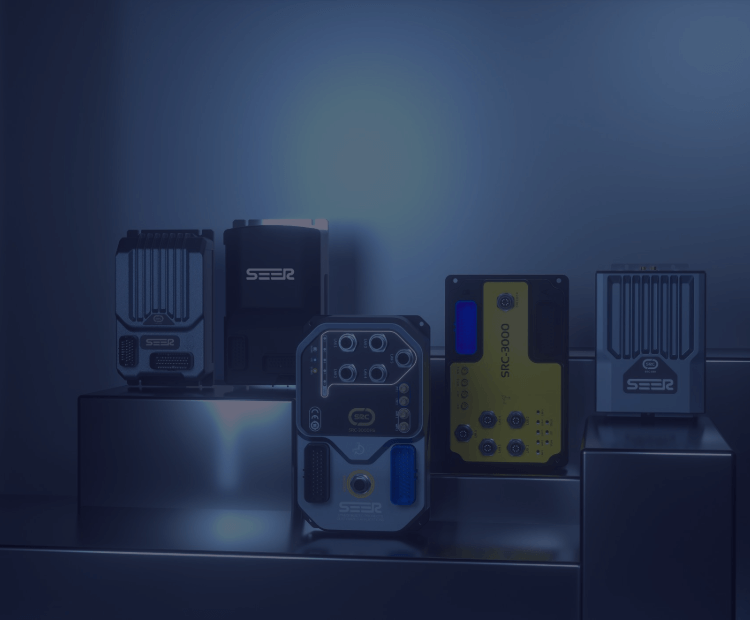
Where do the frictions hide?
Three quiet pain points recur. First, fault semantics are vague. A bumper edge case fires, the safety PLC trips, but the recovery path is slow or non-deterministic; ops teams see it as “random stops.” Second, compute placement is off. Vision pre-processing at the cloud rather than edge computing nodes adds 80–120 ms round trips during peaks. Third, power converters brown out under surge when lifts actuate, starving controllers and sensors in the same cycle. Each seems small. Together, they create oscillations: brake, resume, rescan, replan. The outcome is predictable—longer queues, wasted pick time, and operators stepping in with manual overrides.
Part 3 — New Principles That Unlock Stable, Scalable Control
To move forward, think principles, not patches. Start with timing isolation. Assign motion control, safety I/O, and perception to dedicated cores or containers with strict QoS and cgroup limits. Prioritize the motion loop over telemetry; logs can wait, torque cannot. Next, push compute closer. Run perception kernels and health checks on edge computing nodes inside the base, so the mobile robot controller isn’t blocked by transient RF or backhaul congestion. Tie buses together with clear budgets: cap ROS 2 message rates, segment CAN bus for actuators, and keep safety PLC chatter deterministic. Small steps, but they compound.
What’s Next
Then design for graceful failure. Declare recovery states with explicit timers and exit rules. If a bumper triggers, don’t replan blind; snapshot the SLAM stack, verify sensor health, and resume with a bounded retry. Add OTA updates that stage and roll back in the background—no overnight surprises. Finally, bake in electrical resilience: isolate power converters for compute versus actuation, and monitor brownout events as first-class metrics. The result is a calmer loop under stress—fewer pauses, tighter pathing, and faster clears. We didn’t repeat Part 2’s symptoms; we set guardrails to prevent them. Different tone, same goal: a controller that holds up when the floor is busy—and that’s when it counts most.
Before you pick a path, use three practical checks. 1) Timing integrity: can the system bound latency jitter under 20–30 ms during load tests? 2) Recovery design: are fault states explicit, measurable, and reversible without manual touch? 3) Power and bus health: do logs prove stable voltages and deterministic CAN bus utilization across duty cycles? If those three line up, your next deployment will feel boring in the best way. For deeper engineering notes and reference builds, see SEER Robotics.