Introduction: Why the Square Shape Changes the Math
In beauty, shape is not just style; it is margin control. Square perfume bottles sit tighter on pallets, reduce dead space, and shift freight math in your favor. Yet the choice also rewires mold costs, defect risk, and unit economics—small levers with big outcomes. A launch team weighs a 50,000-unit run, the packaging lead time, and a 2% breakage risk; square profiles promise 12–18% better packing efficiency versus round, but tooling and coating specs can eat that gain (and the CFO will ask why). So, what matters more—density or durability?
Here is the technical core. Square mold geometry pushes heat differently in each corner, so a poor annealing cycle can cause stress cracks. A tighter volumetric tolerance improves fill accuracy but raises QC throughput. You want style, yes, but you also want a stable supply curve. The real question becomes: where is the trade-off between shape, process control, and lifetime cost—and how do you compare vendors in a fair way? Let’s map the moving parts and then test them side by side.
Hidden Costs in the Supply Chain: Where Factories Win or Lose
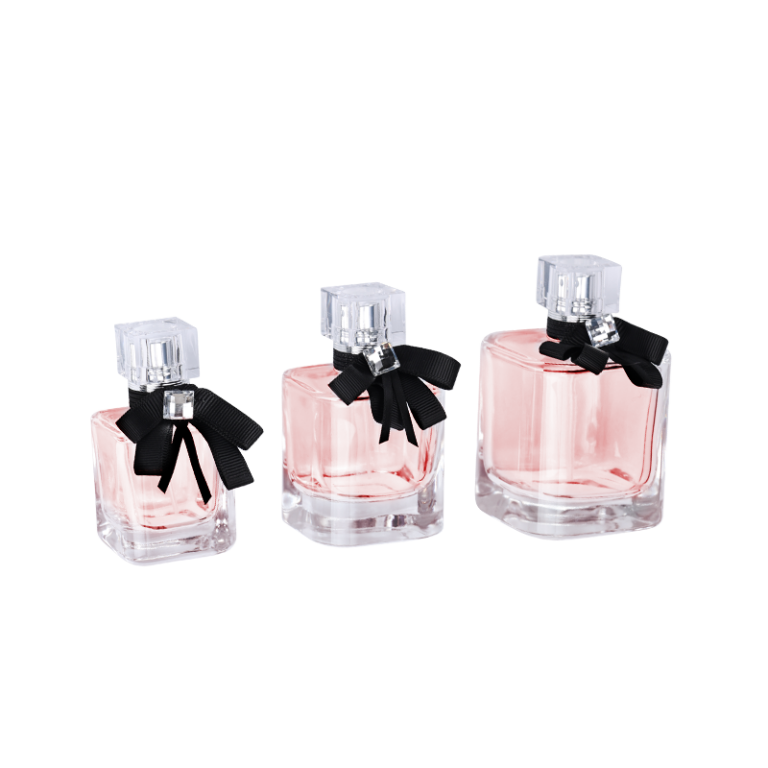
Direct point first: most overruns do not start at the warehouse; they start at the line. The best square glass perfume bottles factories control heat flow in the annealing lehr, tune mold cavity balance, and hold a tight volumetric tolerance. Lesser plants fix defects with rework and repolish—then bill you with time. Look, it’s simpler than you think. If corners cool unevenly, micro-stress forms and shows up as chipping in transit—funny how that works, right? Add a rushed coating line, weak UV curing, or sloppy screen printing, and the returns spike. Cost appears as freight damage, repacks, and slip-page on your launch calendar.
Where do delays creep in?
Hidden pain points stack fast. Decoration slots are often shared, so a small tint change can block your batch. Closure torque gets ignored, atomizer fit drifts, and your drop test fails at the last mile. Each small miss pushes supply chain lead time by days. Your team then pays in expedite fees and safety stock. Better plants keep SPC charts live, test per batch, and flag hot spots before they ship. They are not magic—they just push variation down at the source, not after the fact.
Forward Look: Automation vs. Artistry in Square Glass
What’s Next
Square profiles are hitting a new phase of control. Robotics now set cavity pressure and dwell time by sensor feedback. That trims corner stress and reduces warp. Vision AI checks rim flatness and corner radii, so defects get cut before packing. This shift is not only about fewer chips. It supports lighter glass without losing feel. And that’s the big win—material down, look intact, cube use up. If you buy via square perfume glass bottles wholesale, you will see tighter spec sheets: finer tolerance, cleaner edges, and steadier lead times. Automation won’t replace artistry on finishes, but it will carry the baseline so craft can shine— and yes, that saves cash.
Compare on future fit, not only price. Factories with closed-loop thermal profiles, real-time SPC at the annealing lehr, and integrated decoration cells reduce handoffs. They also stabilize coating adhesion and cut rework. Summing up the prior sections: the square form pays when the process is tuned, the corners stay calm, and QC is live. To choose well, track three metrics that travel with you from quote to shelf: (1) corner-break rate in transit vs. drop test results; (2) volumetric tolerance and rim flatness across lots; (3) end-to-end lead time, including decoration and reproof. Keep those three in view, and your launch math will hold. For steady guidance without hype, consult partners like NAVI Packaging.