
Introduction: A Rollout That Didn’t Go to Plan
A project manager signs off on a hotel fit-out, confident in the schedule and budget. The wardrobes supply looks stable, vendors confirmed, and logistics routes booked. Then the data shows up: an 11% defect rate on doors, a 23-day lead-time slip, and 18% waste from re-cuts due to mismatched panels. How did a simple closet line turn this complex so fast, and could a different path have kept the plan on track (and the team calm)?
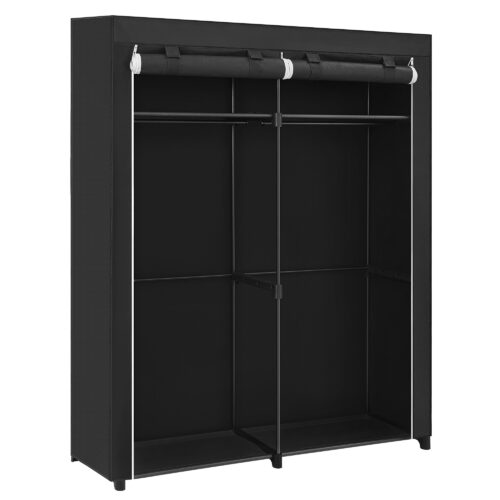
Here is the question that matters: when the demand is high, and specs vary by site, what approach prevents errors from snowballing and costs from stacking? We will compare the old way to the new—side by side—to find where the risk hides and where the gains live. Let’s move from symptoms to structure now.

Under the Hood: Why Legacy Methods Fall Short
Technical view first. Traditional buying splits tasks across many hands: panel cutting here, hardware there, finishing elsewhere. For wholesale wardrobe closets, this creates silent gaps—different tolerances, unclear edge specs, and a fog around change orders. Look, it’s simpler than you think: when ABS edge banding is listed as “2 mm” but one shop uses 1.8 mm, your carcass goes out by just enough to make soft-close hinges misalign. Multiply by 500 units and you see it in door sag and noise. Add cam lock fittings from a second source and E1 boards from a third, and your QC sampling gets noisy—funny how that works, right?
Where do classic wardrobes fail?
They fail in the hand-offs. BOMs are static PDFs instead of live models, so revisions lag. Flat-pack logistics get priced by carton count, not CBM efficiency, so freight padding creeps in. Hardware kits are short by two dowels per set, which stalls site install and triggers overtime. Tolerance stacks grow when drilling templates vary 0.5 mm between batches. The old remedy—more buffer stock—only hides the issue and raises holding costs. A modular carcass, unified hinge standard, and pre-kitted hardware sound basic, but they reduce rework and cut install time by hours per room. And that is where the real margin sits.
Forward-Looking: Principles That Change the Comparison
Now a semi-formal lens. The new playbook leans on parametric design and a digital BOM that updates in real time. Instead of separate shops guessing fits, CNC nesting drives every cut from one master file—panel hole patterns, hinge cups, and rail slots match by default. QR-coded kitting ties each carton to its hardware set, so installers scan and go—no hunting for cam locks in a mixed bin. These principles matter because precision upstream cancels noise downstream. When bedroom wardrobe manufacturers map tolerances to a single datum and lock in soft-close hinge geometry, the carcass, fronts, and rails behave as one system.
What’s Next
Expect more guided assembly and fewer surprises—think pre-drilled melamine-faced chipboard matched with powder-coated steel rails and labeled fittings. Expect freight wins via tighter CBM planning, not just more cartons. And expect QC to shift left: vision checks on edge banding quality, adhesive consistency alerts, and standardized cam depth before anything ships. The comparison is clear. Old methods mask risk with buffers; the new methods prevent it at source—quietly, but with real savings. Advisory close: choose partners by three metrics—lead-time variance under 8%, defect-per-lot below 1.5% with traceable rework, and CBM-per-unit targets that cut freight by at least 10% over your last cycle. That is how you de-risk, scale, and keep rooms opening on time—with help from SONGMICS HOME B2B.