Why Many LIB Factories Falter Before They Scale
Where do early losses hide?
Production lives and dies by process control. Energy storage batteries make this truth very plain. In many new plants, ramp targets sound firm, yet the core path is unclear. Early runs show promise; week eight breaks budgets. With lib manufacturing, the gap is seldom one big error. It is small misses that stack up—anode coating drift, cathode slurry swings, and dry-room humidity slips. One site aimed at 2 GWh. It started at 12% scrap and lost 18% OEE in a single humid week. The data said “random.” The pattern was not. Look, it’s simpler than you think: inputs vary, controls lag, feedback arrives late, and waste hides in rework. (Then costs arrive.) So the question is plain: can a new line spot and fix the slow leaks before scale?

The flaw runs deeper than a single tool. Traditional fixes add more gates and more hands. Yet the line still runs blind between steps—funny how that works, right? Lab checks are offline. Batches wait. The signal dies in the queue. Power converters get tuned after the fact. Battery management system (BMS) calibration sits at the end, where it is most costly. And traceability is stitched across spreadsheets. In short, the system is not a system. If we accept that, we accept low first-pass yield. We should not. The next section moves from symptoms to the core design questions that prevent them.
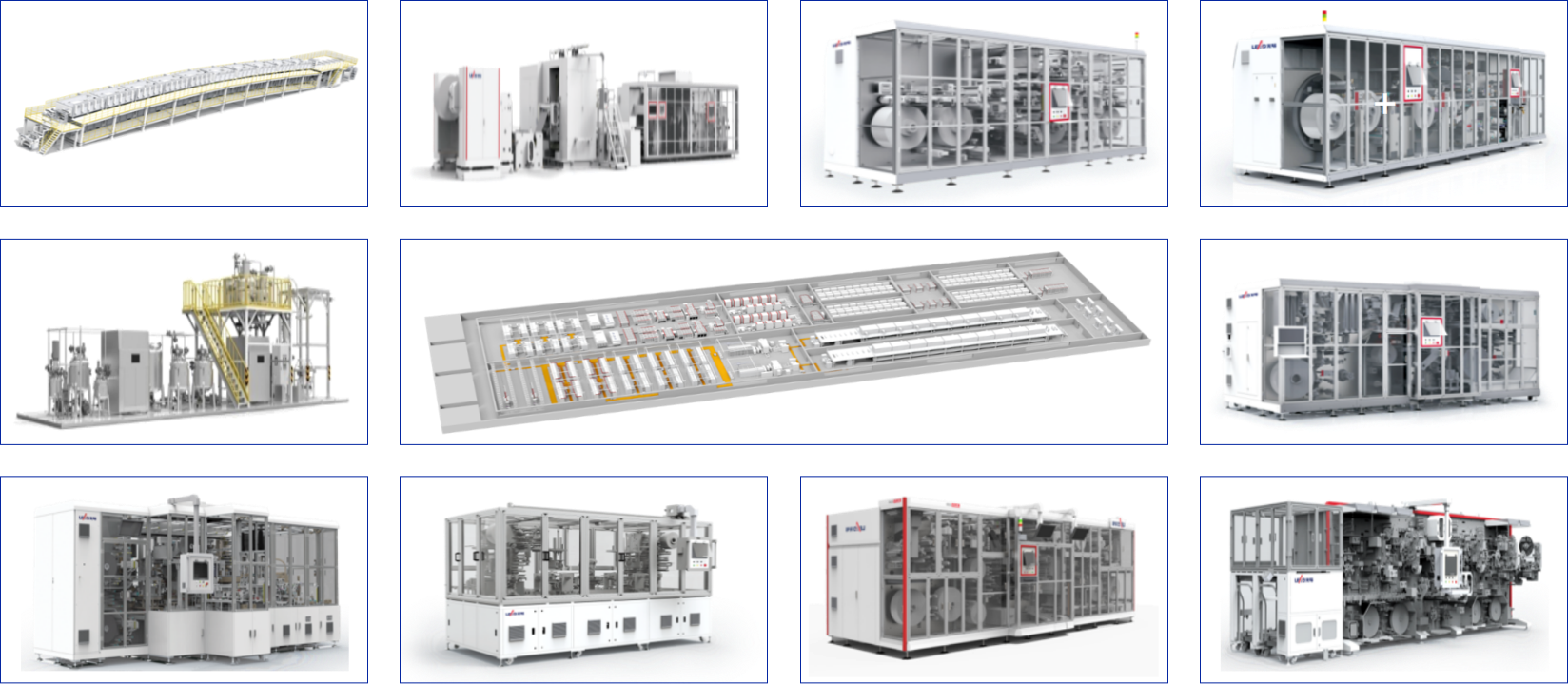
Comparative Principles That Move the Needle
What’s Next
The winning lines do a few things by design. First, they wire measurement to action. Inline metrology feeds model control at the dryer and coater. Edge computing nodes watch variance and correct in seconds, not shifts. Second, they bind a digital thread from slurry mix to formation. That means lot IDs, process tags, and cell IDs stay linked—no gaps, no guesswork. Third, they make utilities part of quality. Power converters, HVAC, and dry-room systems are tuned as part of yield, not “facilities.” This is where modern lib manufacturing shines: fewer islands, more real-time loops. You also see earlier BMS calibration, guided by state of charge and state of health models. Not at the end. During formation. It sounds technical because it is—and yet the effect is simple. Less drift. Fewer stops. More good cells per hour.
Compare that to the old way. Data sits in silos. Decisions lag. Operators chase alarms. With the new principles, variance is handled upstream. Anode coating is steady. Cathode slurry stays in spec. Formation learns, not just burns. Now, how do you choose? Use three checks. One: ramp quality velocity—how fast first-pass yield improves in the first 90 days. Two: traceability depth—can you map each cell to key parameters at each step, in minutes not days. Three: energy per good kWh—how much power the line uses to ship one kWh, including rework. If a proposal cannot show these, keep looking. Summed up, the lesson is clear: build the feedback loop before the building. Then the line will scale because the learning will. That is the quiet difference that lasts—and it is the standard to ask of any partner, including LEAD.