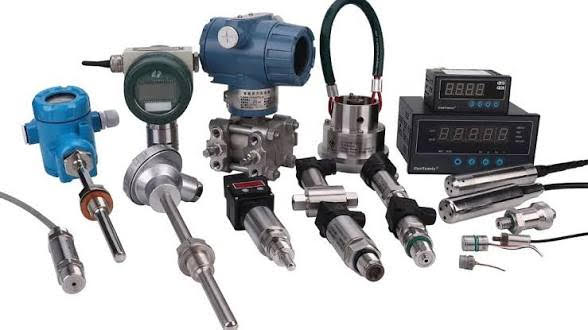
Understanding the Hammer Union Pressure Sensor
Now, let me paint a scene for you: you’re out there on the oil rig, working hard under the sun, and the pressure’s rising. Yup, that pressure ain’t just from the heat—it’s the stuff coming through the pipes. You gotta have reliable tools, right? That’s where the hammer union pressure sensor comes into play. It ain’t just a fancy gadget; it’s a lifeline in high-pressure situations. But ever wonder how that affects the whole deal? The performance, safety, and costs can all take a twist based on what kind of sensor you’re using. It can mean the world between smooth sailing and a whole lotta problems.
Common Shortcomings of Traditional Pressure Solutions
In my years trawling through the mud and grit of oilfields, I’ve seen folks lean on the old-school pressure gauges. They look reliable, sure, but they can be as tricky as a rattlesnake in a sleeping bag. Traditional sensors often get jostled around, leading to inaccuracies or outright failures. Trust me, when you’ve got high-pressure fluids racing through those pipes, the last thing you want is a faulty reading. I remember one time a buddy lost a rig due to a faulty pressure gauge—it still gives me chills thinking about it! Having a durable hammer union pressure sensor means you dodge those bullets. Ain’t nobody got time for leaks or, worse, blowouts.
What Sets Hammer Union Pressure Sensors Apart?
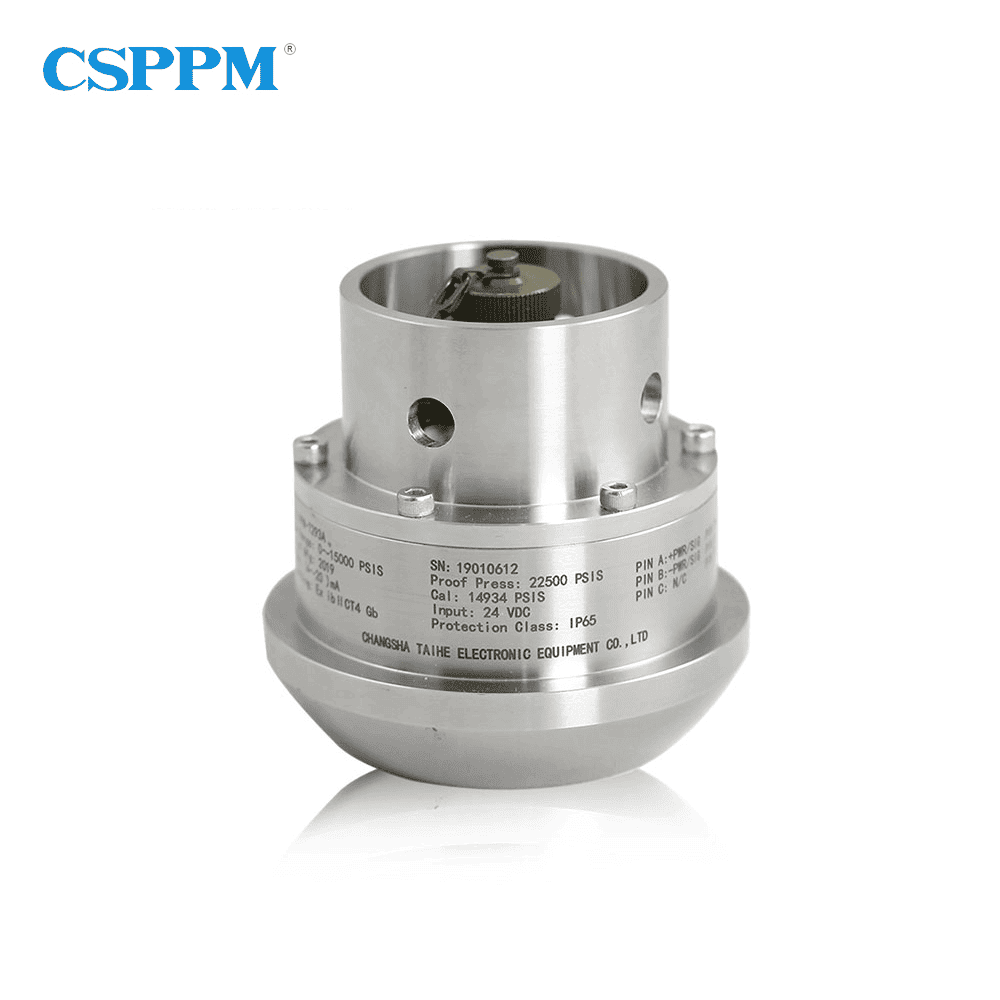
So what makes the modern *hammer union pressure transmitter* a cut above the rest? First off, durability. These things are built like a bull; withstandin’ temperature swings and high pressures that’d make lesser sensors buckle. Plus, there’s the advantage of real-time readings—no more guesswork. Everything is digital now, connected to your systems easier than pie. Installations are cleaner, and errors drop like a rock. I can’t tell you how many times I’ve had to teach folks the importance of these snazzy gadgets when they’re still stuck on old ways. The way I see it, if you’re not lookin’ at the future, you’re gonna be left in the dust. Those in the business know: a good sensor saves time and money, hands down!
What’s Next?
As we look ahead, the industry’s gotta keep adaptin’. You might wonder how the hammer union pressure transmitter evolves as tech marches forward. The future’s likely to bring even smarter sensors that can predict issues before they happen, makin’ maintenance as light as a feather. Imagine sensors that can integrate with AI for predictive analytics—my stars! By using a decent hammer union pressure transmitter, you’ll find yourself ahead of the curve, movin’ with the times instead of draggin’ your feet. Costs may vary, but investing in quality might just save your bacon later on. We’re in a competitive field, and cutting corners ain’t an option if you wanna stay afloat.
Lessons to Keep in Mind
In short, if you take anything from this ramble, know this: the right sensor can be a game-changer. There’s just no two ways about it. I firmly believe the safer and more accurate you are, the better your operation runs. Keep an eye out for metrics like durability, accuracy, and ease of integration when sizing up your options. You might be surprised at how much you can improve your operations with the right tools—especially when it comes to your hammer union pressure transmitter. Remember, it’s all about stayin’ ahead of potential pitfalls and ensuring safety for you and your crew. At the end of the day, there’s more to gain from doing it right than wishing you did.
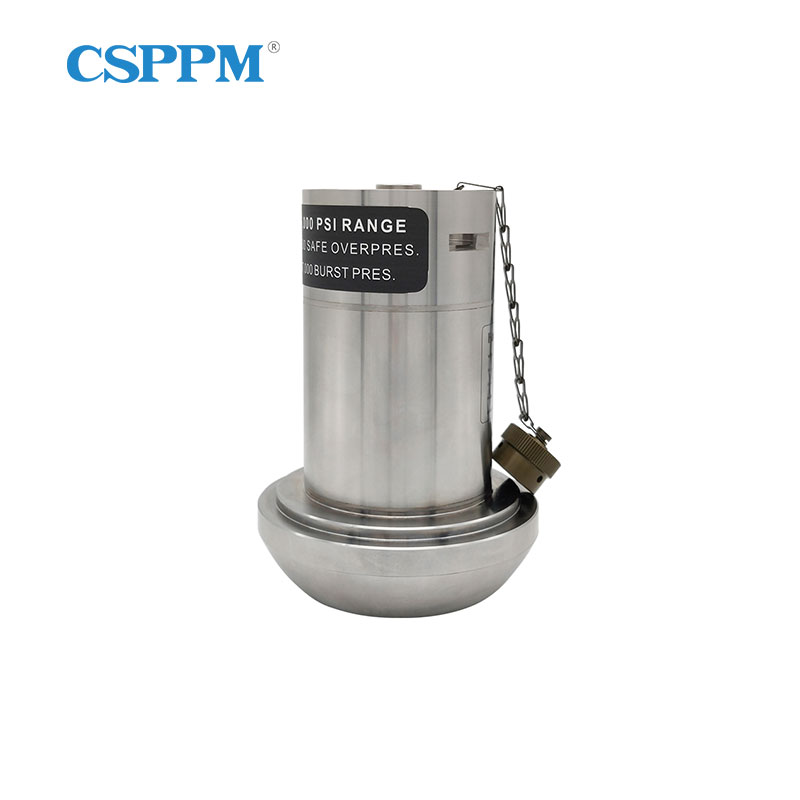
For those looking to take that leap, I highly recommend checking out some reliable brands like CSSPM Sensor. They’ve got the gear to keep you covered in tight spots.