Introduction: Why Control Is the First Mile Problem
Hybrid rooms fail first at the control layer. Hybrid meeting room solutions promise smooth talk and tidy tech, but the glue is the centralized management system that actually keeps kit in line. Picture a Monday stand-up: half the crew is in the boardroom, half is on the blower from home. Surveys say more than half of meetings now run hybrid, and peak times push bandwidth hard. So why do simple actions—mute, share, record—still go pear-shaped when the stakes are high?
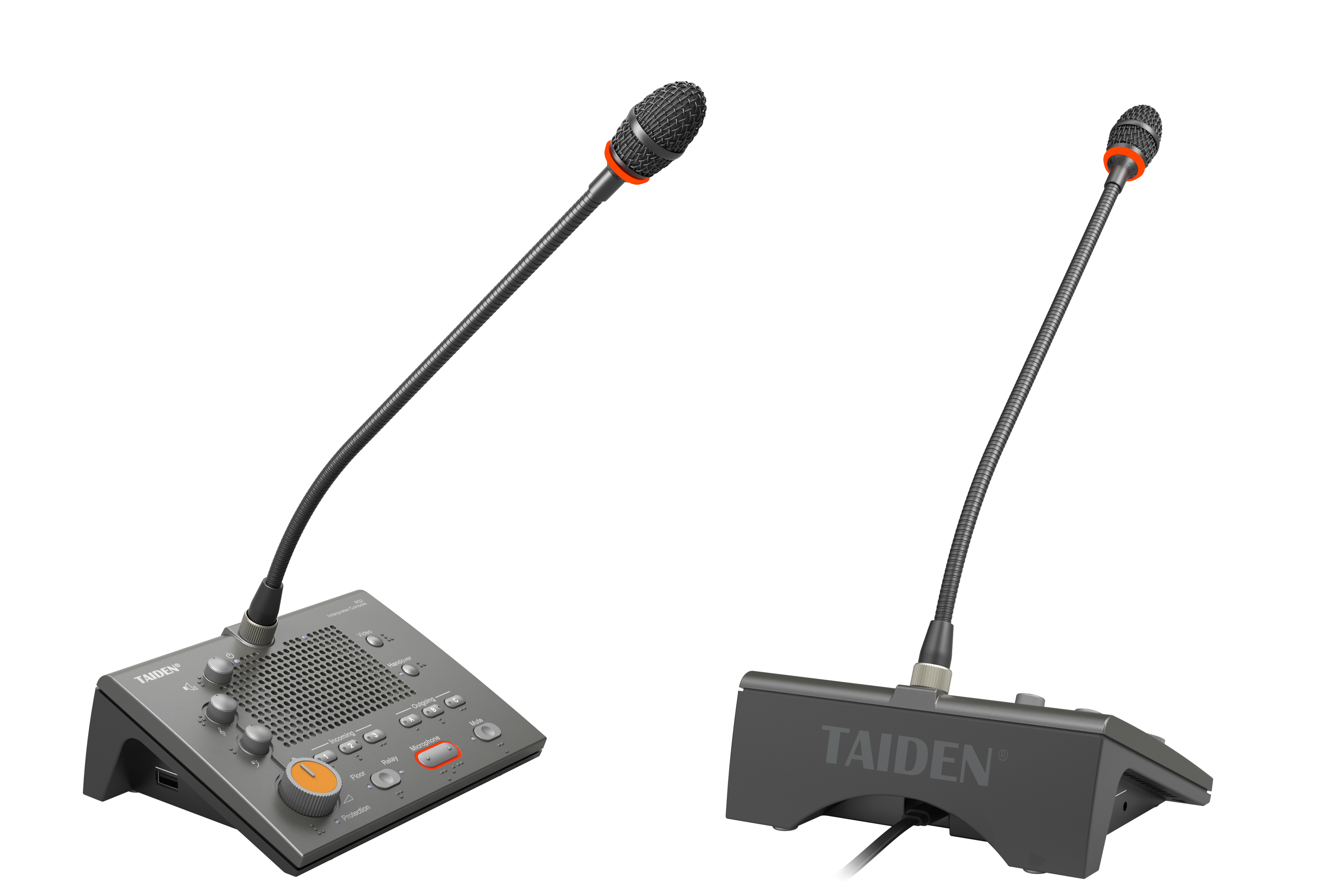
I’ve seen it, mate: mismatched firmware, flaky QoS, and AV over IP streams fighting for air. Edge computing nodes sit idle while the room UI spins like a dog chasing its tail—funny how that works, right? Traditional “box-per-feature” stacks look fine on paper, but they add hidden hops, bloated latency budgets, and too many points of failure. Look, it’s simpler than you think: centralize policy, automate health checks, and reduce human faff. The question is, which blind spots in the old setup keep tripping teams up (even when the gear is top shelf)? Let’s peel that back and set up a fair comparison for what comes next.
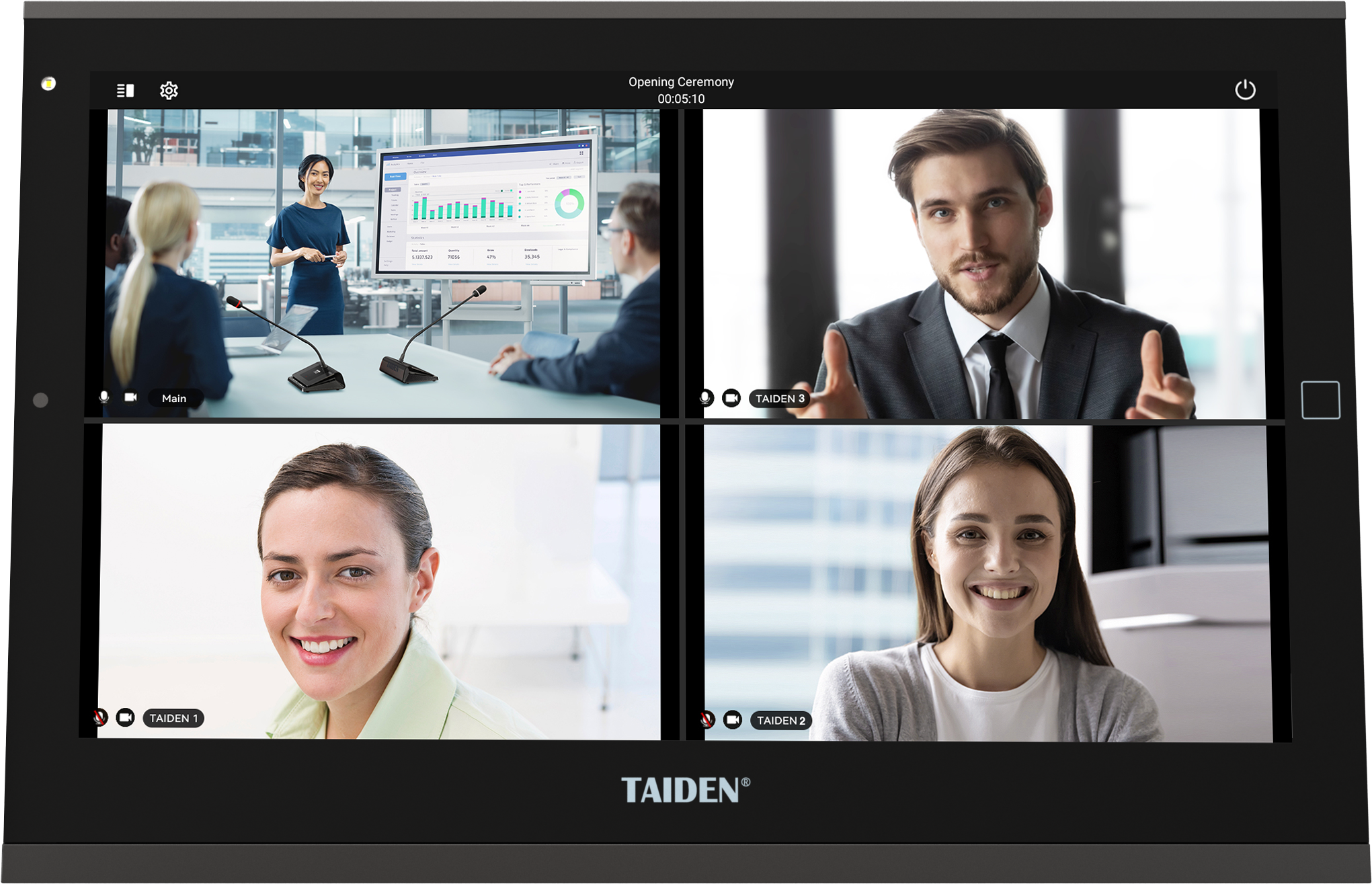
Deeper Look: The Flaws in Patchwork Control
Here’s the rub, straight up. Legacy rooms grew like ivy—device by device, vendor by vendor. That patchwork makes everyday tasks slow and brittle. You’ve got a DSP here, a switcher there, a camera with its own app, and a panel running a third-party macro. Each update nudges something else out of tune. One stale driver and the beamforming array drops a lobe. One bad VLAN tag and AV over IP stutters. SIP trunking fails? The MCU falls back, and your recording is toast. In these stacks, control logic lives everywhere and nowhere, so fault isolation takes ages. Users feel it as lag, echoes, or screens that won’t share.
Operational pain hides in the gaps: no single audit trail; policies drift between rooms; power converters and PoE budgets get guessed, not governed. Edge computing nodes that should enforce rules sit underused because the system can’t orchestrate them. And when something breaks mid-call, you’re on the apples and pears to the rack cupboard, not diagnosing from your desk. A modern fix demands two things: unified policy and observability that spans devices, networks, and apps. That’s what a centralized layer provides—control-plane sanity, not just another flashy touch panel.
From Patchwork to Platform: Principles for the Next Control Layer
When you move from “box control” to platform control, you switch the game. The control-plane becomes software-defined. Policies live once, then get pushed down to rooms via profiles. Telemetry streams in real time to a rules engine. The room panel is only the front door; the brains are in the orchestration. Tie in your conference controller, your DSP, your cameras, and your switch—then make them obey the same rules. The platform watches latency budgets, sets QoS markings, and remaps routes on the fly. If SD-WAN flaps, it fails over. If a mic phantom power dips, it warns early. If a codec misbehaves, it restarts the process, not the meeting—small mercies.
Technically, it’s three layers. Control: a policy engine with role-based access and API hooks. Data: observability from endpoints to network to cloud, stamped with room identity. Execution: agents at the edge that handle macros, macros that trigger diagnostics, and diagnostics that trigger rollback. This is where AV over IP meets IT discipline. You get golden images, compliance checks, and canaries that test share/projector paths before anyone walks in. The result is fewer tickets, faster root cause, and rooms that “self-heal” in seconds—not minutes. And yes, that means fewer panicked whispers before the board joins—blimey, about time.
What’s Next
Forward-looking rooms will tilt further to autonomous control. Expect inference at the edge that balances mic gain with room occupancy, and camera presets tied to agenda cues. Expect policy packs that ship with workflows: onboarding a huddle space in five clicks; mapping SIP trunking routes by region; validating PoE budgets per rack with a single test run—funny how the boring bits become the big wins. The old pain—manual tuning, vendor lock buttons, mystery reboots—gives way to versioned configs, safe rollbacks, and clean audit trails. In short, fewer surprises and a lot less faff.
Choosing wisely? Use three simple metrics. One, time-to-diagnose: can your platform isolate faults across devices and layers in under two minutes? Two, policy fidelity: do room profiles enforce QoS, security, and media paths without one-off tweaks? Three, resilience score: how well does it handle failure—agent restarts, path reroutes, and user recovery—without dropping the call? If a conference controller fits, it should plug into that system as a first-class citizen, not a sidecar. Keep it practical, keep it observable, and keep the control where it belongs: centralized, but edge-smart. For a deeper look at platforms and components in this space, see TAIDEN.