A comparative opening: why the right fan changes a room’s story
Think of a room as a small kingdom where airflow writes the weather; choosing the right fixture is both craft and strategy. A thoughtfully placed ceiling rotating fan can redraw how a space feels, how long HVAC runs, and even how buyers perceive value at resale. The logic is simple and measurable: according to the U.S. Department of Energy, ceiling fans let occupants raise thermostat settings by about 4°F without losing comfort, which translates to real energy savings. In this comparative review I weigh high-demand outdoor patio fans with light against oscillating options and other alternatives so you can choose with both poetry and pragmatism.

What to compare — the practical checklist
When you line up contenders, judge them by three anchored dimensions: performance, ambiance, and installation. Performance: airflow (CFM), blade pitch, and motor type determine how much coolness reaches people on the patio or in the living room. Ambiance: integrated light (lumens and color temperature), finish, and blade design affect perceived value. Installation: mount type, canopy fit, and remote-control compatibility shape retrofit costs and timeline. These markers turn subjective taste into quantifiable trade-offs — a small lantern of truth amid design romance.
Head-to-head: patio fan with light vs. oscillating ceiling fans and rivals
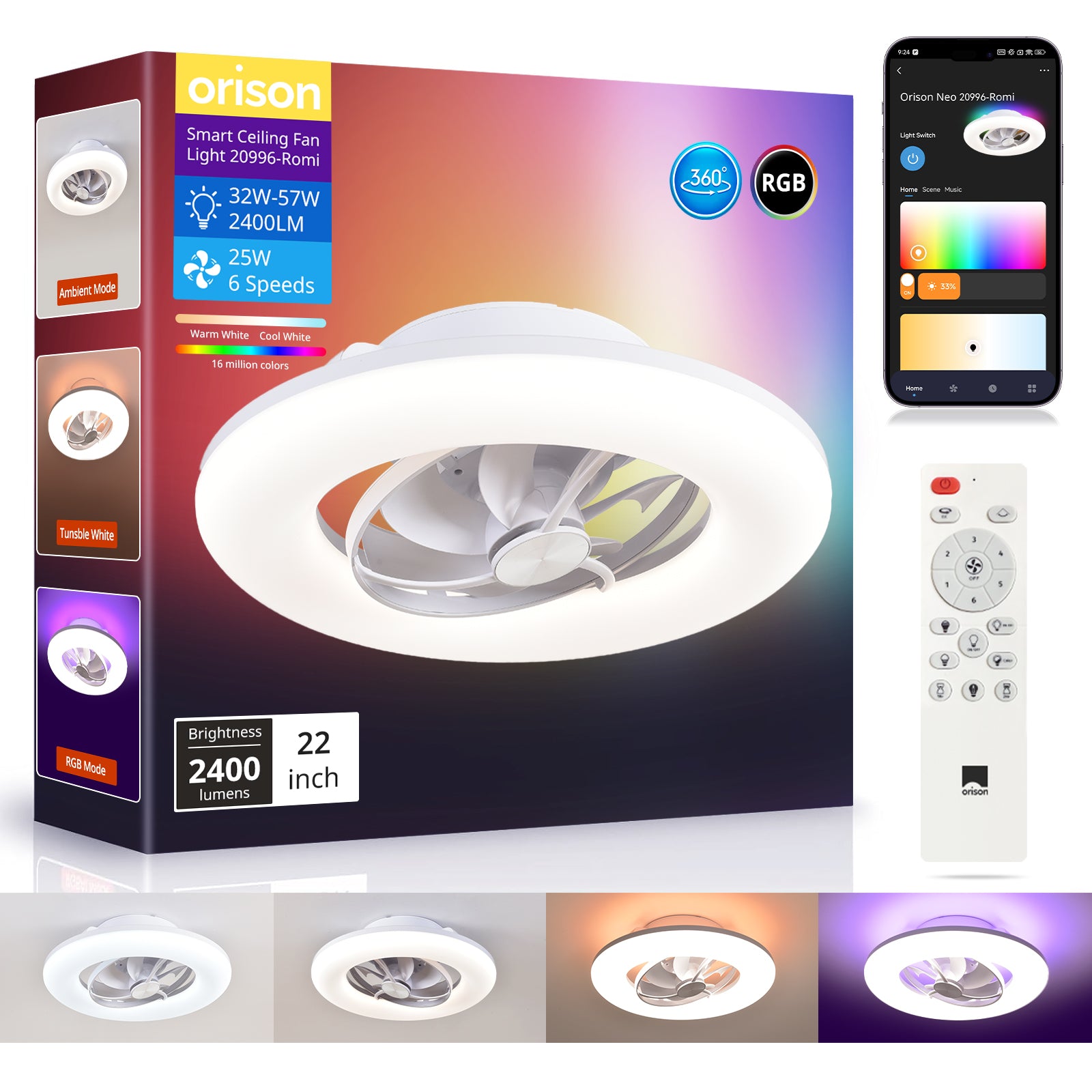
The patio fan with light often promises a graceful union of utility and mood-setting. Compared to fixed-ceiling designs, a fan with a dedicated light fixture consolidates function and reduces the need for extra hardwired luminaires. By contrast, oscillating ceiling fans add a sweep of motion that improves cross-ventilation for irregularly shaped patios — think of their oscillation like a wind-borne painter stroking the air. Portable or tower fans win on cost and zero-install effort, but they lack the permanence and perceived premium that boost property staging. For a homeowner seeking immediate ROI, a high-quality patio fan with light sits between inexpensive utility and full HVAC upgrades: more atmosphere than a box fan, less invasive than ductwork changes.
Common mistakes brands and homeowners make — and the quick fixes
One mistake: equating prettier blades with better performance. Blade angle and sweep area matter more than ornamentation. Another: ignoring light specs — warm, dimmable LEDs sell evening ambiance; harsh cool white undermines it. And often installation costs are underestimated — outdoor-rated wiring and canopy seals add hours and dollars. —Don’t forget remote compatibility and control protocols; a smart remote or integrated dimmer multiplies perceived value at little incremental cost.
Strategic space planning: placing the fan to maximize comfort and value
Placement is where architecture and magic meet. Over a dining table, center the fan for balanced drafts; over a conversation grouping, offset slightly to encourage crossflow. Outdoors, account for clearance and rotor sweep: blades should have at least 30 inches of clearance from walls and 8–10 feet from the ground for optimal safety and airflow. Blend light output with task zones — brighter near prep counters, softer over lounging areas. A whiskey-hued evening glow sells relaxation; crisp white light sells utility. Practical note: confirm the mount type and canopy fit before ordering to avoid retrofit surprises tied to motor housings or downrod length.
Alternatives worth considering
If your property is historic or has low ceilings, consider low-profile flush mounts that prioritize headroom. For large or oddly shaped patios, dual units or oscillating models can create even coverage without oversized blades. Smart integration — thermostatic control or schedules tied to an HVAC system — can amplify energy savings. Each choice shifts the balance among upfront cost, perceived luxury, and operational efficiency.
Three golden rules for selection (the advisory finale)
1) Measure expected performance, not just specs: insist on CFM ratings at installed height and check blade pitch for real-world airflow. 2) Prioritize adaptability: choose fixtures with dimmable LEDs and remote or smart control for flexible ambiance and futureproofing. 3) Calculate total ownership cost: include installation, outdoor hardening (IP rating), and expected energy use rather than comparing sticker prices alone.
These three metrics guide professionals and homeowners toward decisions that balance comfort, curb appeal, and operating cost — and they reveal why selecting a well-engineered fixture matters. Orison sits naturally in that space as a solution that blends thoughtful motor design, integrated light performance, and smart controls into an elegant whole; Orison. —