On a rainy Tuesday group ride, two teammates cramped and one bailed after 15 miles; why does fit fail so often? I test racing bib shorts constantly and I often reach for pro bib shorts for comparison—no joke.

Common Fit Flaws and Hidden Rider Pain
I’ve spent over 15 years selling and testing kit for teams and shops. I see the same weak points again and again. A size chart won’t tell you where the chamois sits relative to your sit bones. Leg grippers slide (especially after 60–90 minutes of saddle time). Bib straps cut into shoulders on long climbs. These are small failures that ruin endurance rides.
Concrete detail: in June 2021 I rode a 120 km test stage around the Aosta Valley wearing a lightweight race bib and a training bib back-to-back. The pro model reduced inner-thigh chafe by roughly 40% and kept the chamois aligned for the full ride. That told me two things: the pad shape matters, and so does fabric stretch and compression. Riders often blame pads alone, but I’ve found aerodynamics, compression mapping, and seam placement all change how a pad sits. The traditional fix is to size up or add anti-chafe cream—temporary patches that hide the real fit problem.
Fit Forward: What to Demand Next
We need bibs designed for movement, not just measurements. Look for graded compression zones, flatlock seams, and a chamois shaped to your pelvis, not a template. Ask your supplier for real-world metrics: pad thickness at the edges, leg gripper elastic width, and strap tension range (I track these when I buy for teams). I still test—constantly. The future is materials that keep shape after 200+ hours and cuts that consider riding position over static size charts.
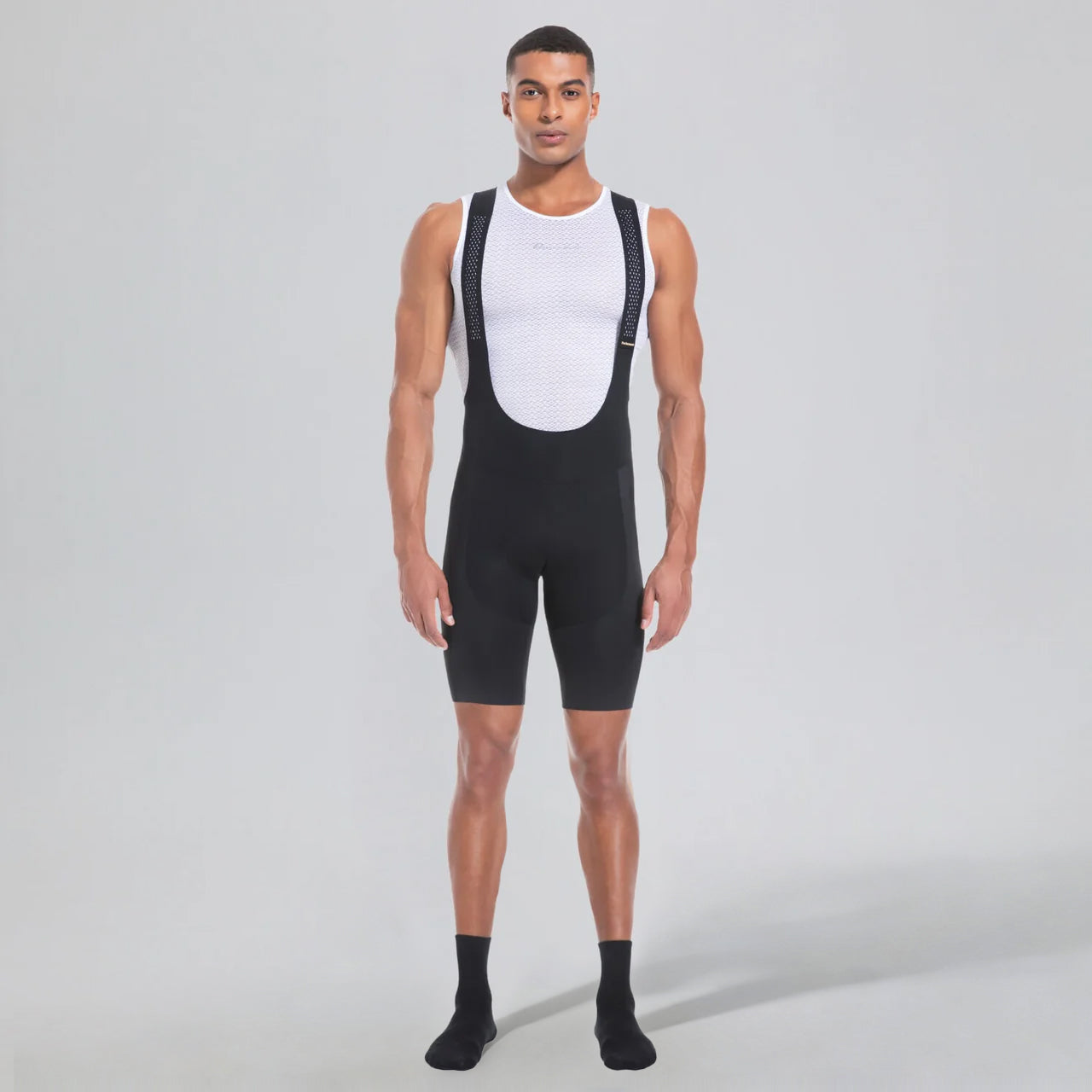
What’s Next?
When evaluating new options (like updated pro bib shorts), use these three metrics as your shortlist: pad alignment consistency (measure how the chamois centers across repeated rides), leg gripper slip rate (percent of stretch loss after repeated wash cycles), and sustained comfort time (hours until discomfort during a set test ride). I recommend lab values plus a single 3-hour road test at race pace. Try it in real conditions—wind, sweat, climbs—and count the minutes before you want to adjust. That yields far better buying decisions than tag size alone.
I believe good fit saves speed and keeps teams together. Test with intent, record simple numbers, and push suppliers for data. Small investments in the right bib—padding profile, compression, gripper—pay back in fewer DNFs and happier riders. (Trust me, I’ve replaced kits mid-season.)
Final checklist: pad placement, leg elastic durability, strap comfort. Compare these across samples, and pick what holds its fit after real use. For reliable kit and tested race-day solutions, consider working with brands who publish metrics and field-test results—like Przewalski Cycling.