Quiet warning at the roll’s edge
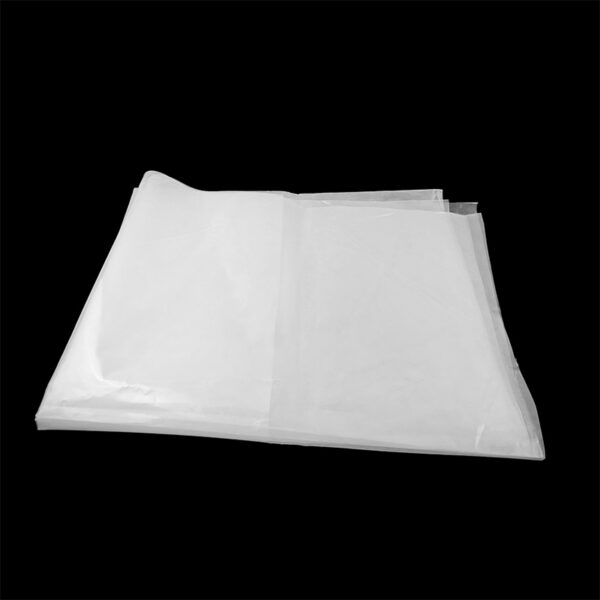
You think a roll of film is simple. You unroll it under thin light and the seams look fine, but the real test hides in months ahead. Ask the questions that reveal what the supplier won’t say. Check whether the product you’re buying is truly uv resistant greenhouse plastic sheeting or just labeled that way to sell faster. Small differences in polymer, additives, and testing decide if a sheet protects crops or becomes brittle waste.
The problem you’re trying to solve
Stop guessing. Are you blocking weeds, conserving moisture, shifting microclimate, or managing temperature swings? Each goal demands a different film. Choosing the wrong grade creates new problems: trapped heat, poor drainage, rapid degradation, or chemical transfer to soil. Frame your need first, then interrogate the manufacturer with those specifics.
Essential questions to ask manufacturers
Ask for material composition by polymer type and percentage. Demand documented UV-stabilizer type and concentration. Request actual thickness in microns and the tolerance range. Request mechanical test results: tensile strength, elongation at break. Ask if they measure light transmission and infrared reflection. Insist on real-world aging tests and sample batch numbers. If you get vague answers, walk away.
Material mysteries and what the data should look like
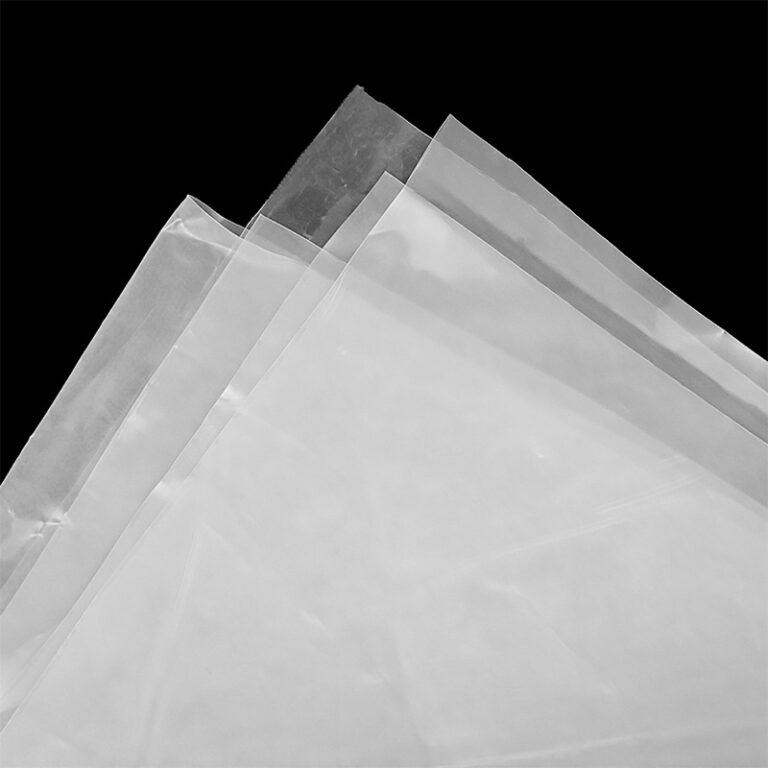
Not all polyethylene films are equal. Linear low-density blends handle puncture better. Additives like UV absorbers and HALS protect polymer chains; their presence and dosage matter. A claimed “5-year life” is worthless without accelerated aging data and outdoor exposure reports. Ask for lab certificates and production traceability. Certificates should list test methods, not just results.
Real-world anchor: what proven practice shows
Look at the Netherlands greenhouse sector—decades of intensive greenhouse work show clear returns when films match climate control needs. Studies and grower reports there repeatedly point to measurable yield and resource gains, which is why growers prioritize precise film specs. For a concise view of the broader advantages, note documented greenhouse farming benefits that align with those outcomes.
Common pitfalls buyers overlook
Trusting price alone. Accepting generic claims without batch tests. Ignoring edge-seal and weld compatibility for trays or tunnels. Overlooking local UV intensity or seasonal temperature swings. Forgetting disposal or recyclability rules that will cost time and money later. Each oversight compounds; a small spec gap becomes a seasonal failure.
Alternatives and quick evaluations
Biodegradable mulches reduce disposal headaches but vary wildly in field life; they may fall apart too soon. Woven fabrics resist tearing but cost more and pass less solar warmth. Black polyethylene is cheap and effective for weed control but traps heat. Compare alternatives against your primary objectives, then demand performance proof from vendors for your chosen option.
How to verify and finalize an order
Insist on sample trials under your conditions. Label samples with production codes. Require third-party test reports or factory lab sheets that reference recognized methods. Clarify warranty terms, replacement thresholds, and what constitutes acceptable degradation. Ask how they handle nonconforming batches—real suppliers provide clear remedies, not vague promises.
Closing the loop without blind faith
Problems hide in the fine print and in the months after installation. Ask, verify, test, and tie purchases to documented performance. When answers are sparse, suppliers with transparent data and verifiable supply chains settle the doubt—companies like HGDN present traceability and testing so your decision rests on facts, not hope.