Introduction — A clinic full of questions
I was at a small clinic last month, watching two therapists juggle bookings while a new client hesitated at the door. The client wanted faster recovery, clearer skin, and fewer side effects. The clinic is run by a red light therapy company focused on clarity and trust, yet the client still asked the same doubts we all dread. Data shows consumer trust rises when treatment protocols are clear — about 68% more bookings in clinics that publish dosage and wavelength info (I read that, and I believe it). So why do so many clinics still hide details like irradiance or recommended treatment time? (Ah, the usual reasons — cost, confusion, and a bit of fear.)
I’ll be frank: I’ve seen great devices misused, and good teams struggle with basic protocol language. I want to map the problem for you — short, practical, no fluff. We’ll look at what’s broken, why the old fixes fail, then what practical principles actually work. Follow me — we start with the messy middle and move toward sensible choices.
Why traditional solutions fail for the infrared red light bed (technical view)
What goes wrong?
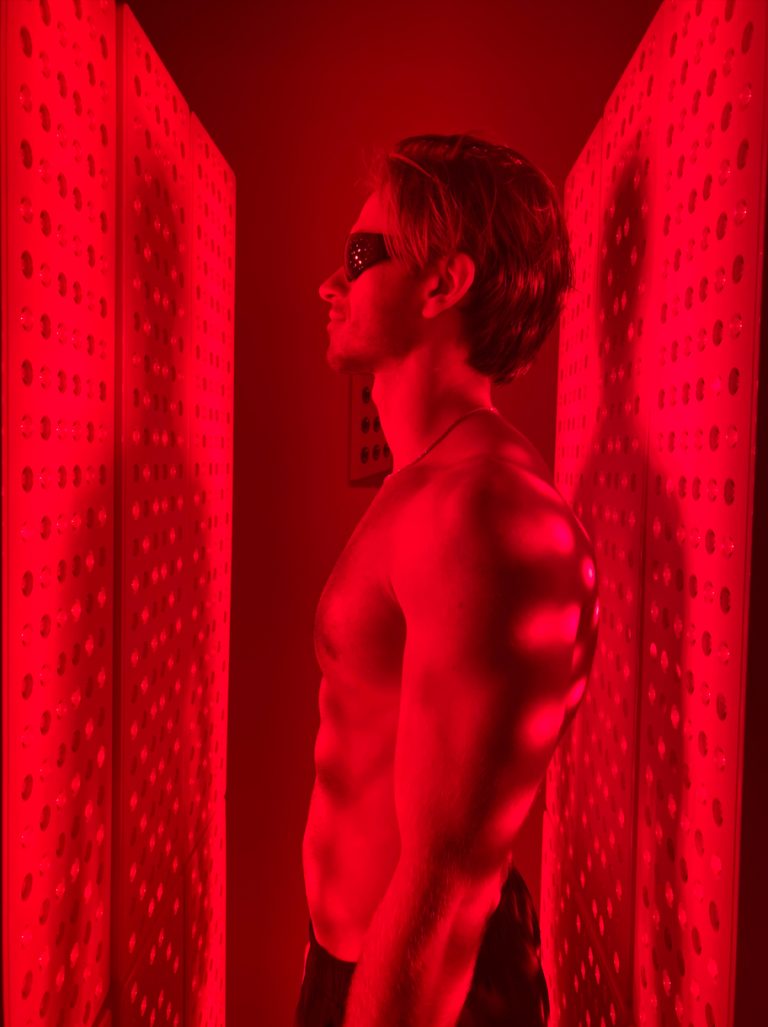
When clinics buy an infrared red light bed, they expect instant results. Instead, they often face inconsistent output, unclear wavelength specs, and poor guidance on fluence. Wavelength, irradiance, and photobiomodulation are real terms — and real problems when misunderstood. I’ve watched teams set therapy time by guesswork. The bed emits near-infrared light, yes, but its spectral power distribution and LED panels may vary. That variance changes dosage. Look, it’s simpler than you think — but only if you measure and document.
Traditional fixes try to solve buying pain with cheaper lamps or one-size-fits-all protocols. That fails because dosages differ by condition. Dosage depends on irradiance (mW/cm²), wavelength (nm), and session length — not just the device brand. Clinics skip calibration. They skip user training. The result: mixed patient outcomes and wasted time. I recommend using a light meter, logging sessions, and defining therapy protocol clearly. — funny how that works, right? This is technical but necessary: fluence, LED uniformity, and heat management matter for safety and for consistent results.
New technology principles and a practical path forward
What’s Next?
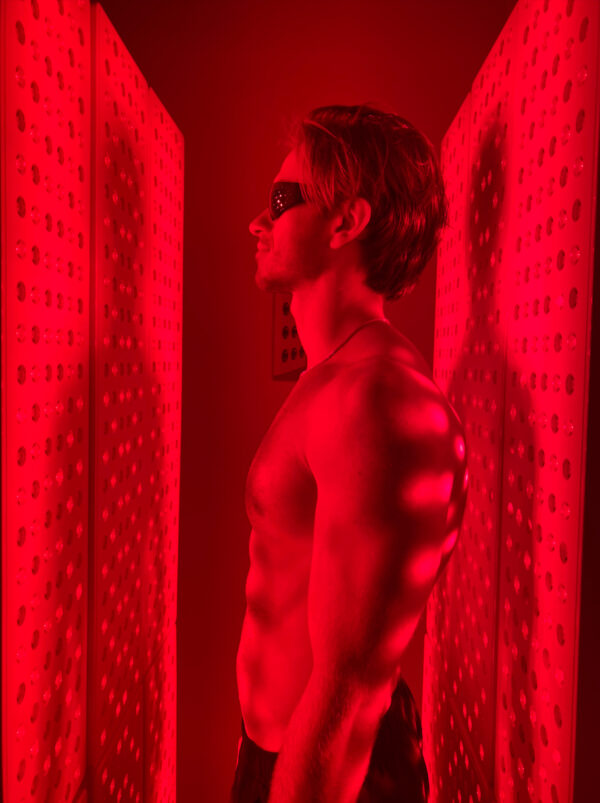
We need new rules. First, design for measurable output. Manufacturers should publish wavelength ranges and irradiance curves so clinics can compare devices. Second, build simple calibration steps into onboarding — a quick check with a meter, a photo of panel alignment, logged baseline readings. Third, tie therapy protocols to outcomes: if a patient reports less pain after X sessions at Y fluence, keep that record and repeat. The infrared red light bed can be part of a reproducible protocol, not a guessing game.
I’m bullish on tech that supports users: easy-to-read irradiance readouts, pre-set therapy modules, and user guides that explain photobiomodulation in plain words. These help staff and patients alike. Compare two clinics: one that tracks wavelength and session fluence versus one that does not. The tracked clinic will show more consistent recovery times and higher repeat visits. It’s a simple experiment you can run. We should demand transparency from suppliers and insist on training — and then measure results. (Boleh, we do it step by step.)
Three metrics I use when evaluating solutions
I’ll leave you with three practical metrics I check before I recommend a device or supplier. First: measurable output — does the device publish irradiance at a set distance and the wavelength peak? Second: repeatability — can the clinic reproduce the same fluence session after session with a logged procedure? Third: support & training — does the supplier provide calibration guides, safety notes, and easy protocols? Apply these, and you’ll avoid most missteps.
I speak from hands-on clinics and product reviews. I care about results and patient safety. If you want to test a device, start small, log everything, and demand clarity from your vendor. At the end of the day, good tech plus clear protocol beats hype every time. — and yes, little details matter more than flashy marketing. For solid, transparent solutions, I look to trusted partners like Magique Power.