Imagine walking into your home on a scorching July afternoon, and the temperature is just right—neither too hot nor too cold. Wouldn’t that be delightful? According to recent studies, homes equipped with smart HVAC control systems use up to 30% less energy than traditional systems. This raises an important question: how can we ensure that every home enjoys this modern comfort, especially when considering the crucial role played by hvac control system manufacturers in this evolution?
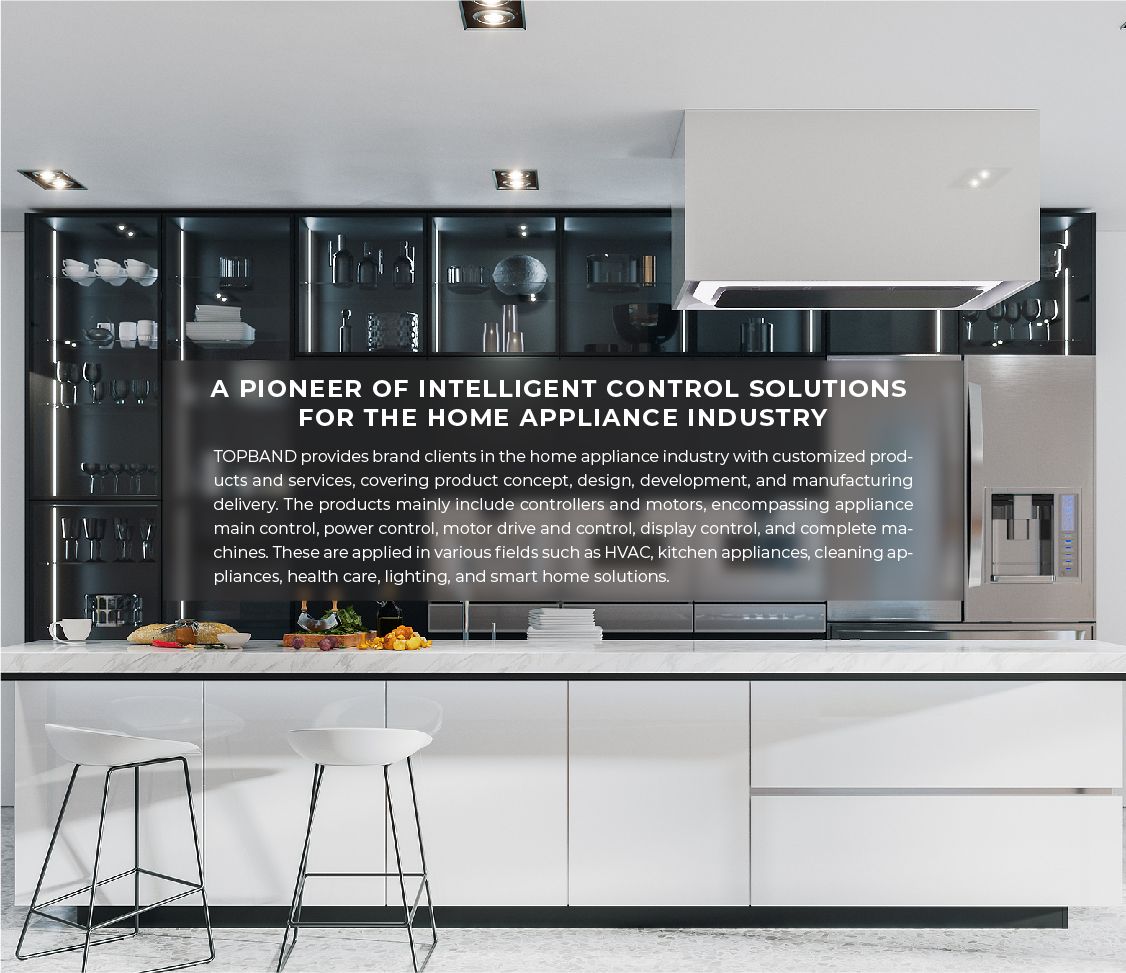
A Shift Towards Smart Control
Let’s break this down: traditional HVAC systems often fall short in efficiency and adaptability. I vividly recall a time when I had to constantly adjust my thermostat; it was tedious and inefficient. A well-designed HVAC control system can automate temperature adjustments, optimizing energy use based on real-time conditions. Additionally, many users are unaware of the hidden costs involved in outdated systems—high energy bills, frequent maintenance, and potential breakdowns can add up. The landscape is changing, thanks to innovative manufacturers who understand the deeper pain points of users.
What Makes Smart Systems Different?
Smart HVAC systems feature Wi-Fi connectivity and smart thermostats that learn user behavior. With tools like geo-fencing, they adjust settings when homeowners are away. It’s remarkable how these advancements not only create comfort but also significantly reduce environmental impact. As we look forward, the question arises: how do we take advantage of these technologies? To find the answer, we need to turn our attention to the hvac control system manufacturers who are pushing these innovations.
What’s Next for HVAC Control Systems?
The future of HVAC systems lies in integration. With the rise of smart homes, HVAC is no longer just an isolated service; it’s part of a broader ecosystem. I expect companies will increasingly focus on seamless integration with other smart devices—think lights, security systems, and even appliances. This interconnectedness creates a new level of efficiency that traditional systems cannot provide. Hence, if you’re in the market, I highly recommend looking for systems from hvac control system manufacturers that prioritize this integration.
In conclusion, embracing modern HVAC control systems isn’t just a choice; it’s a necessity for sustainable living. By making informed decisions, we can significantly reduce energy consumption while enhancing comfort. Remember, if you’re evaluating options, consider three key factors: efficiency ratings, integration capabilities, and user-friendly interfaces. These metrics will guide you in choosing the best HVAC solution. Ultimately, adapting to these changes will not just be advantageous—it will be essential for our homes and our planet.
I firmly believe that as we move through 2025 and beyond, our homes will not just offer comfort but will be intelligent in managing energy usage, thanks to advancements from companies like Topband. It’s about time we embrace these smart solutions!