Introduction: A Quiet Evening, Bright Data — and a Simple Question
A quiet showroom at dusk. I stood under a glass spiral and tapped on a set of dimmable led chandelier lights, watching the glow step down, clean and smooth. Across the lane, a chandelier supply company team was closing their books for the day (thik cha, we keep it simple). The numbers from the week were plain: energy use down by about a third, return calls cut by a quarter, and a nicer color look at low levels—CRI stayed high even at 20% output. Yet one thing felt familiar: a few homes still showed buzz and flicker on older wall dimmers. So, the question is gentle but real—are we dimming the right way, or just the old way?

In Nepal, we care about steady light for calm rooms and safe steps. When dimmers misbehave, people notice. Small spaces feel uneasy. Big halls look tired. And the fix is rarely a bigger bulb; it is about how the driver and control talk to each other. That is our bridge to the next point—what truly causes that hidden strain, and how do we compare choices with clarity?
The Hidden Friction: Why Old Dimmers Trip Modern LEDs
Why does flicker persist?
Think of the usual wall control: a triac dimmer that cuts the AC waveform. It worked fine for tungsten. But LEDs use a constant-current driver that expects steady power and clean control. When waveform chopping meets a sensitive driver, the lamp tries to guess the signal. That guess creates shimmer, audible buzz, or a short dimming range—funny how that works, right? Add a low power factor at certain settings and the grid sees more strain than the room needs. Look, it’s simpler than you think: the control method and the driver need to match.
Traditional fixes miss this deeper layer. People swap bulbs, not the control logic. Or they add more fixtures to “load” the circuit, masking the real issue. Without proper PWM dimming support, many drivers step, not glide, especially below 15%. Thermal management also plays a role: poor heat handling forces the driver to protect itself, and the light stutters. The pain points stay hidden—small eyestrain, uneven color at low dim, reduced lumen maintenance. Users blame the chandelier, not the handshake between dimmer and driver. That is the trap. The lamp is fine; the language is wrong.
Forward Look: Principles That Make Dimming Actually Work
What’s Next
The better path feels modern because it is. Use drivers built for clear signals—0–10V, DALI, or digital protocols that remove guesswork. These let the constant-current driver respond in smooth steps with true low-end control, often down to 1%. The result: stable color, steady output, and calm rooms. Pair this with verified controls, not random gear from mixed bins of chandelier supplies—compatibility lists matter. Under the hood, improved voltage regulation and better surge protection reduce stress at start-up. Drivers keep power factor high and flicker index low. And yes, thermal paths and heat sinks stay honest, so brightness holds over time—no sudden dips, no surprise shut-offs.
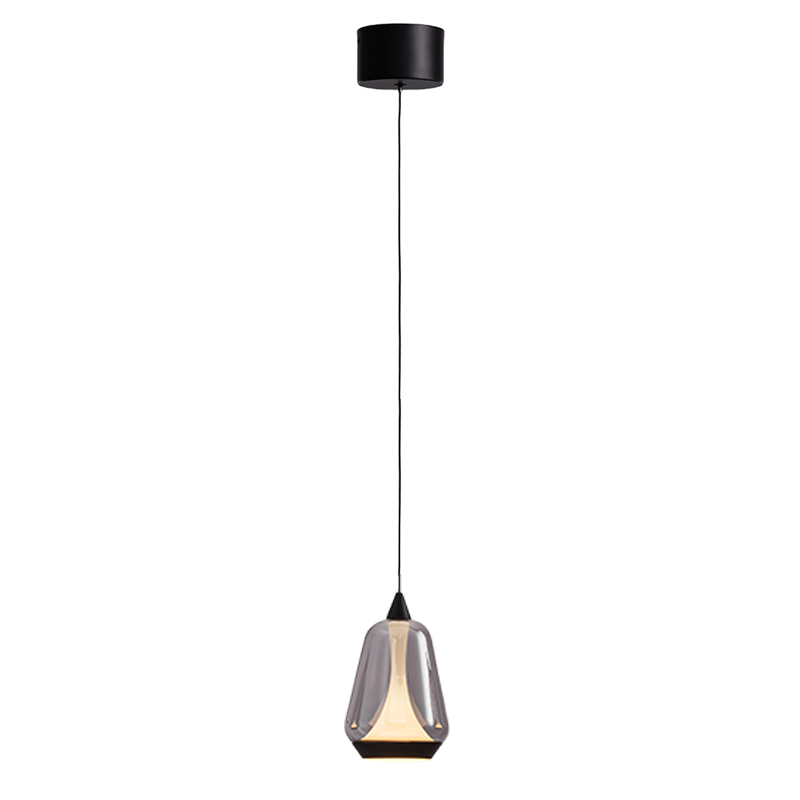
Comparing old to new is clear when you test side by side. The legacy triac route often gives a narrow dimming range, color shift at the bottom, and occasional buzz. A modern driver with 0–10V or DALI control gives a wider curve, stable CRI, and quieter operation. The stakes are human: fewer headaches, better focus, safer stairs. So, how to choose? Advisory close: measure flicker properly (aim for IEEE-friendly low flicker, with stable low-end at 1–5%); check system compatibility (driver plus control protocol—triac, 0–10V, DALI—listed and tested); confirm quality metrics (CRI stability at low output, power factor above 0.9, and solid warranty on the driver). Small steps, big calm—funny how steadiness sells itself. Learn, compare, then decide with care at kinglong.